

Safety in a digital world
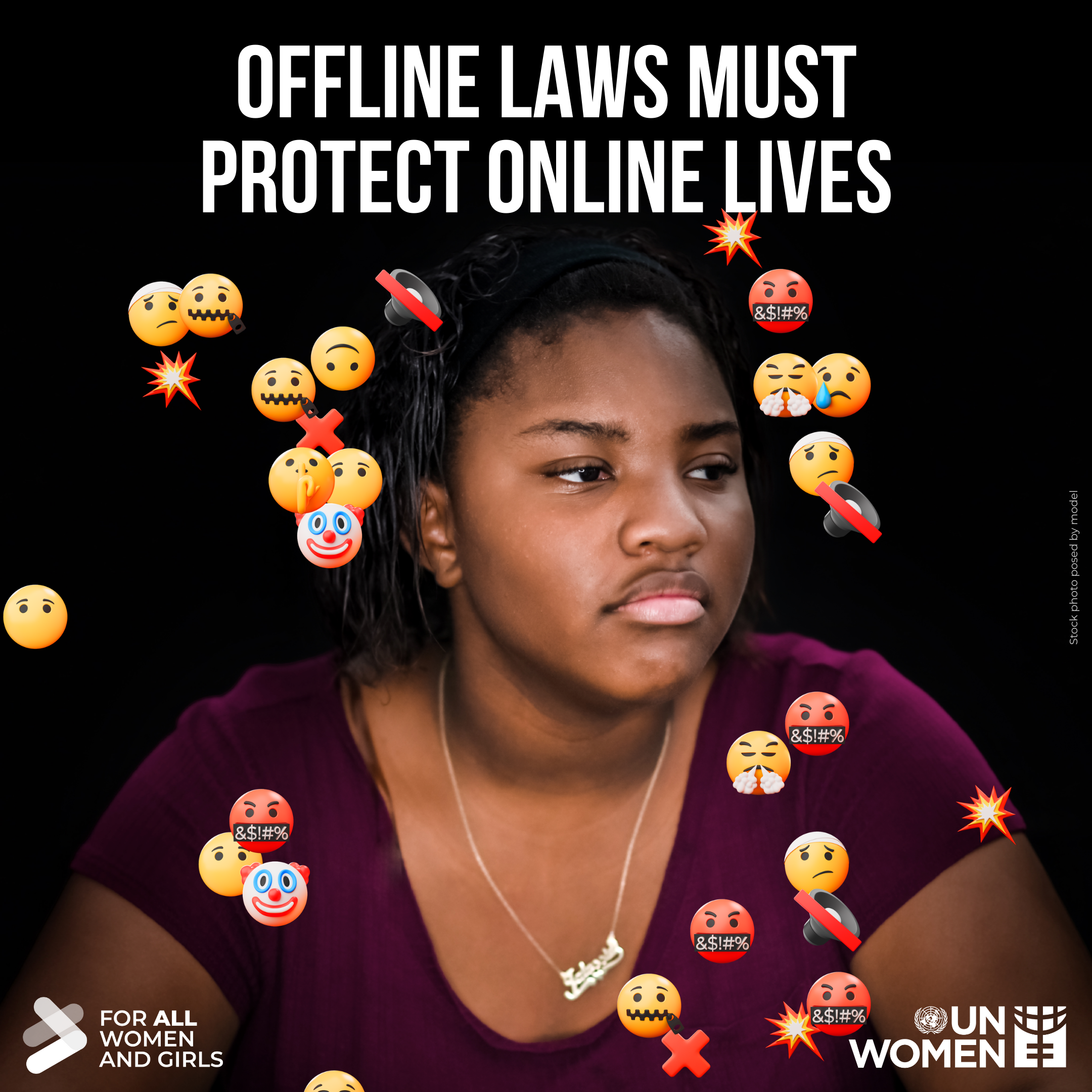
Being famous and female makes you a target for online harassment, threats of violence and sometimes even physical violence.One in four female journalists and one in three female politicians have been threatened, often with death.
But it’s not just fame that leads to online abuse. Up to a third of women have been victims of digital violence. Earlier this year, a 17-year-old boy in Spain was arrested for apparently creating fake nude images of classmates.
It is not uniquely a women’s problem. According to the Anti-Defamation League, a US-based research and advocacy group, 22 per cent of Americans experienced severe harassment on social media in 2024, up from 18 per cent in 2023.
But women are suffering disproportionately. According to a 2024 UN report, misinformation and defamation are the most prevalent forms of online violence against women, with 67 per cent of women and girls experiencing it.
We as a culture are so inured to it as to sometimes ignore it or wave it off if it is not actually physical violence, but online abuse can be just as damaging to women’s mental health. Careers have been damaged. And online stalking can turn into stalking IRL.
Worse, the threat of violence often causes women to not speak out. It silences their voices. It keeps them from participating fully in the conversation. While many are fighting back, others—frequently those without support systems—are being silenced, causing our world to be lessened. Making our societies weaker.
Quoting the UN: “The targets are familiar: young women, politicians, journalists, women human rights defenders, and activists often singled out with sexist, racist, or homophobic slurs. For migrant and racialized women, those with disabilities, and LGBTQ+ people the abuse can be even more extreme, combining misogyny with other forms of hate and exclusion.
And it is getting worse. research shows that aided by AI-powered technology, these abuses are fast growing in scale and sophistication. The consequences are grave and reach far beyond the screen:
In the Philippines, an analysis revealed that 83 per cent of survivors experienced emotional harm, 63 per cent sexual assault, and 45 per cent physical harm linked directly to online abuse.
In Pakistan, online harassment has been tied to femicide, suicide, physical violence, job loss, and the silencing of women and girls in online spaces.
In the Arab states, 60 per cent of women internet users reported exposure to online violence.
In Africa, 46 per cent of women parliamentarians said they had received online attacks.
In Latin America and the Caribbean, 80 per cent of women in public life reported restricting their online activities out of fear of abuse.
The pattern is clear: digital abuse has real-world consequences. It is increasingly linked to violent extremism, silences women’s voices in politics and media, and can even lead to femicides when technology becomes a weapon for stalking or coercion.
How can you guard against digital abuse?
Note that it can start small. Maybe your partner demands your login password or coerces you to share images that make you feel uncomfortable. Other questionable behavior includes constant check-ins, or a person you know sending inappropriate messages, or even anonymous comments that make you feel uncomfortable or afraid.
From there it might escalate to threats to share private photos if you don’t do what they tell you. Parthers telling you who you can and can’t talk to and keeping tabs of conversations on social media. It might be harrasing comments or direct messages, fake images of you online. You might suddenly show up under new accounts and say things you don’t believe, or be victim of smear campaigns.
So, what do you do? First off, know that abuse thrives on silence and the anonymity of perpetrators. Shining a light on the issue often can help stop it. It doesn’t always. And, if the person doing the abuse is an intimate partner, it needs to be handled in a much more circumspect manner. But here are (again, fro the UN) things you can do to stop the abuse.
Block and report. Where available, use platform tools to cut off contact and file a report. It’s no coincidence that one of the most-asked questions online is, “how to report harassment on Instagram” – millions of women are searching for the same answers.
Stop the spread. Use tools available to remove private images and videos shared without consent, such as Take it down and Stop non-consensual image-abuse.
Save the evidence. Screenshots, links, time stamps – keep a record. If you choose to report, this information is vital.
Tell someone you trust. Don’t carry it alone. Share what’s happening with a friend, family member, or organisation you trust.
Secure your accounts. Enable two-factor authentication, review privacy settings, and check your devices for spyware or tracking apps.
Seek help. Many countries now have hotlines, NGOs, or police units trained to respond to digital violence. Check out the resources in the section below.
And if you see abuse happening to others, don’t stay silent. Research shows that when bystanders speak up or report harmful behaviour, it discourages further attacks and helps platforms detect abuse faster. Small actions – a report, a supportive comment, or sharing a resource – can make a big difference.
Most platforms have safety features that let you filter comments, block abusive accounts, and limit who can tag you. Use them. They’re designed to give you back some control.
Remember, online violence and abuse isn’t just harmful to women and society, it is also illegal, and can be punished under the law.
Call it out. If you see abuse happening, don’t ignore it. Support the target.
Share resources. Direct friends to survivor hotlines, legal guidance, and this article.
Take the quiz. Test your ability to spot the signs of abuse and share it to help others stay safe.
Need help?
Again, straight from the UN, here is a list of organizations and websites that might be able to help:
The Online Harassment Field Manual – Help Organisations Directory is a specialist directory listing regional and international organisations that help journalists, activists, and others facing online abuse, offering digital safety advice, referrals, and emergency contacts.
Cybersmile Foundation provides a global service that offers emotional support and signposts users experiencing cyberbullying or online abuse to helpful resources.
Take it down assists with removing online nudes.
Stop non-consensual image-abuse helps victims of revenge porn.
Chayn Global Directory offers a curated list of organisations and services that support survivors of gender-based violence, both online and in person, with options across multiple regions and languages.
The NO MORE Global Directory is a worldwide directory of sexual violence and domestic abuse helplines and specialist services, covering nearly every country.
The International Women’s Media Foundation — Online Violence Response Hub provides training, digital safety consultations, and emergency assistance for journalists and women working in media who face online harassment.
Child Helpline International provides child and youth helplines worldwide
Access Now Digital Security Helpline (24/7) provides rapid digital-security support for civil society, journalists, human rights defenders.
Lila helpline connects users to helplines and local services for gender-based violence.